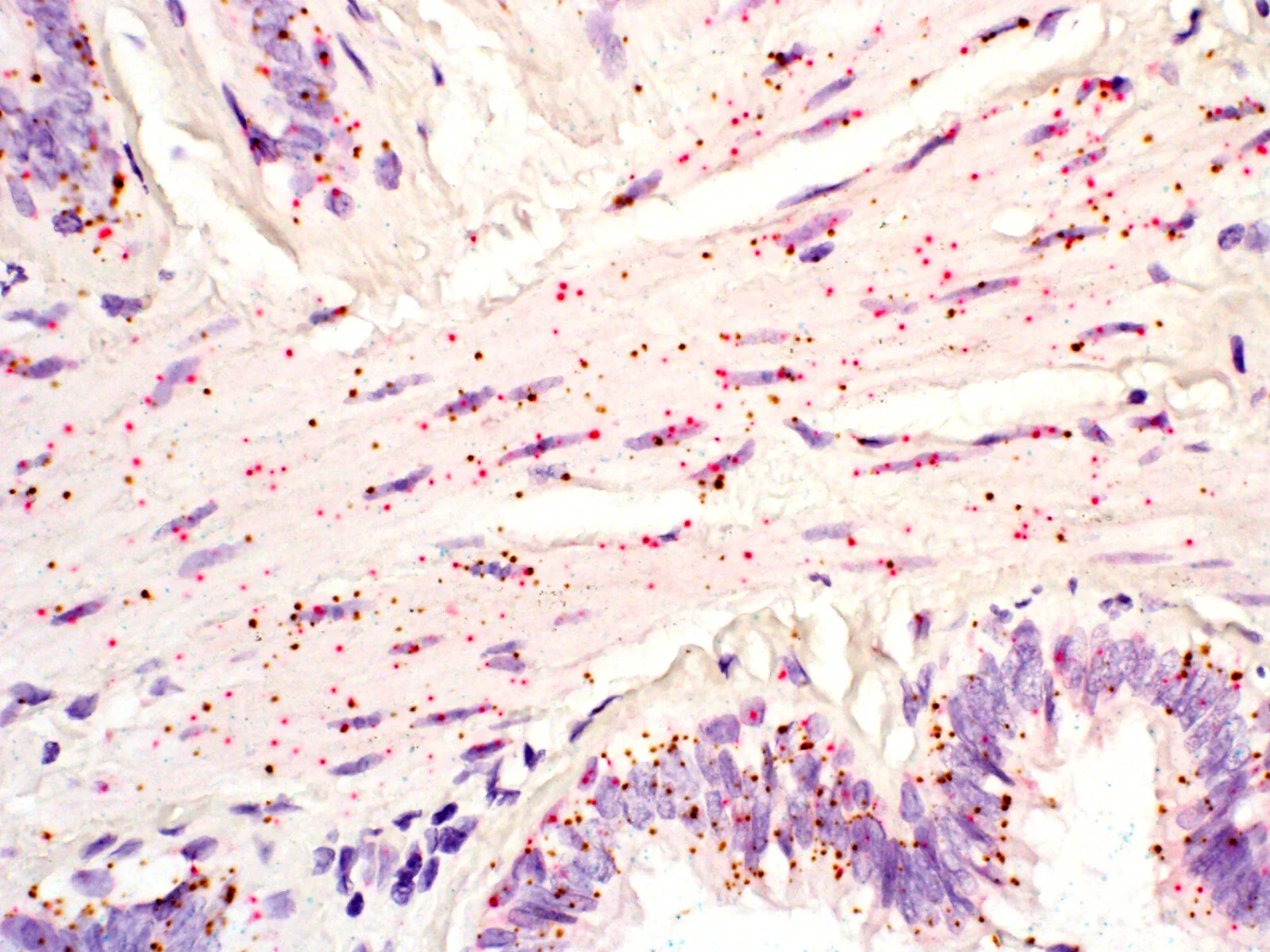
The manuscript “RNA splicing programs define tissue compartments and cell types at single cell resolution” led by Julia Olivieri and Roozbeh Dehghannasiri has been accepted for publication at eLife (https://elifesciences.org/articles/70692).
Abstract: The extent splicing is regulated at single-cell resolution has remained controversial due to both available data and methods to interpret it. We apply the SpliZ, a new statistical approach, to detect cell-type-specific splicing in >110K cells from 12 human tissues. Using 10x data for discovery, 9.1% of genes with computable SpliZ scores are cell-type-specifically spliced, including ubiquitously expressed genes MYL6 and RPS24. These results are validated with RNA FISH, single-cell PCR, and Smart-seq2. SpliZ analysis reveals 170 genes with regulated splicing during human spermatogenesis, including examples conserved in mouse and mouse lemur. The SpliZ allows model-based identification of subpopulations indistinguishable based on gene expression, illustrated by subpopulation-specific splicing of classical monocytes involving an ultraconserved exon in SAT1. Together, this analysis of differential splicing across multiple organs establishes that splicing is regulated cell-type-specifically.